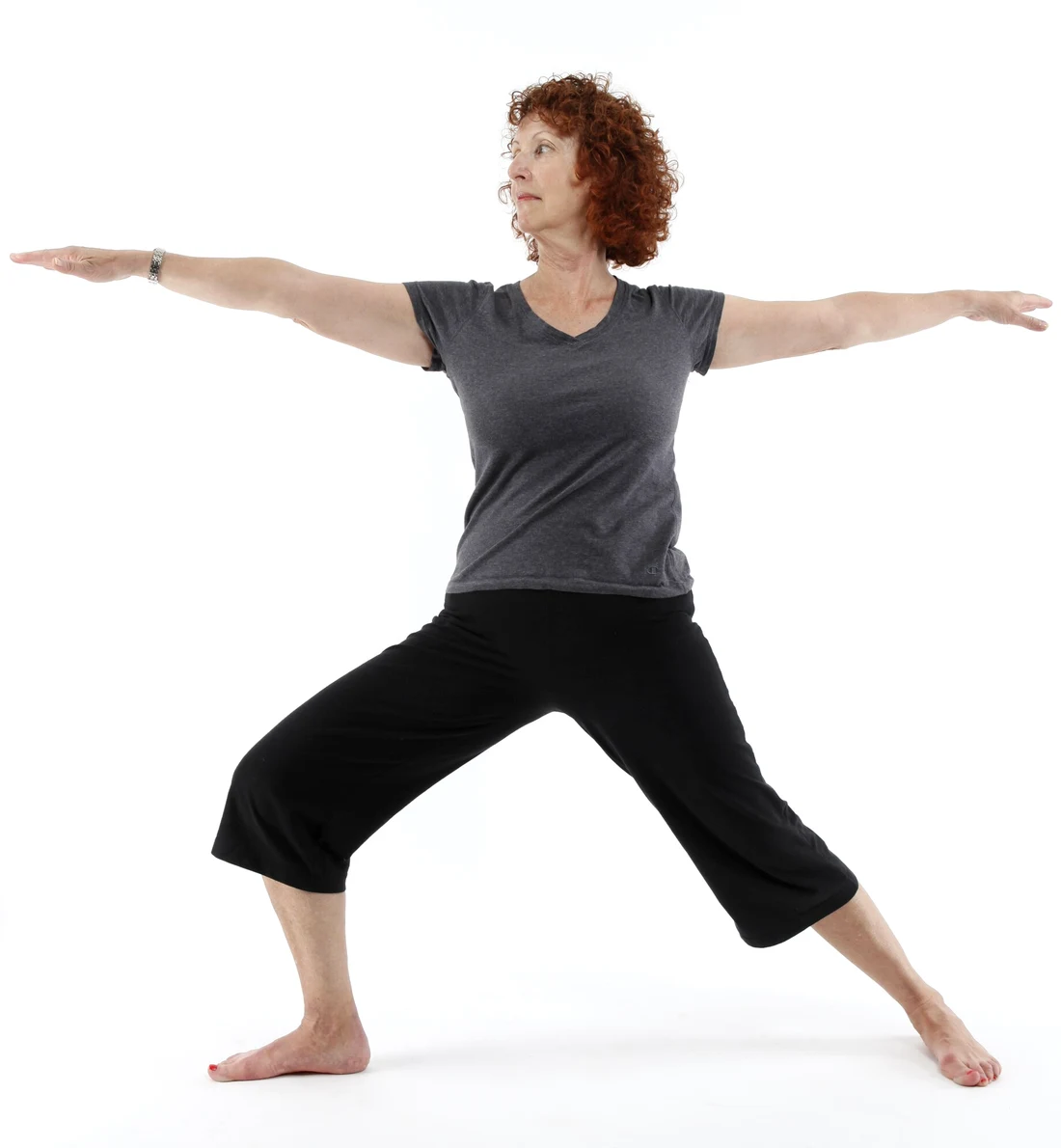
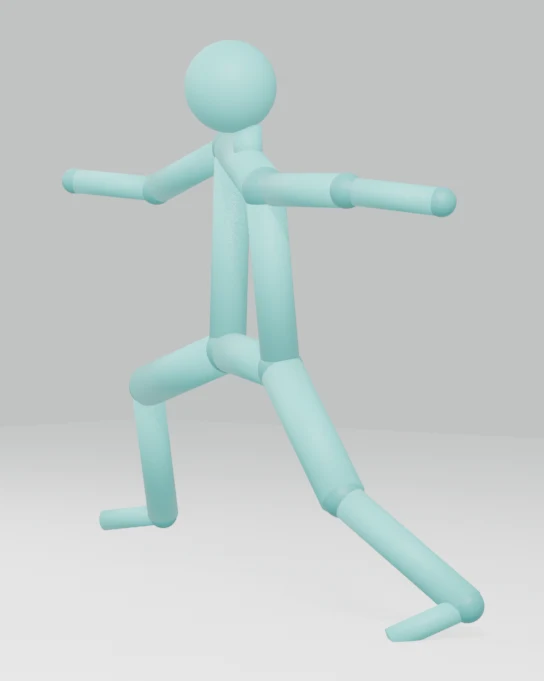
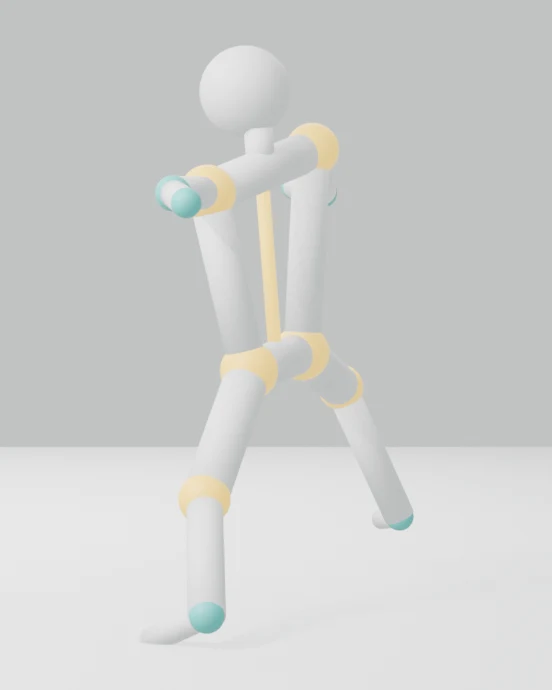
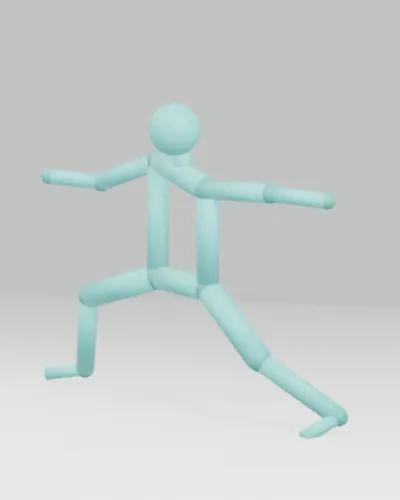
Vīrabhadrāsana II
Six minutes, guided. It plays itself, moves the pose as it explains, and stops three times to check a teaching decision.
Switch any time — the unit restarts the current section in the new voice. Every unit is narrated this way, so nobody is stuck with one instructor's voice.
Warrior II, and what it is actually for
Press begin. The unit narrates itself and drives the model — you only act when it asks you to.
Narration appears here as it is spoken.
Unit complete
Three knowledge checks answered.
In the certification the next step is a recorded practicum a named faculty member marks against the rubric — the part no model can do for you. See the self-paced version of this unit →
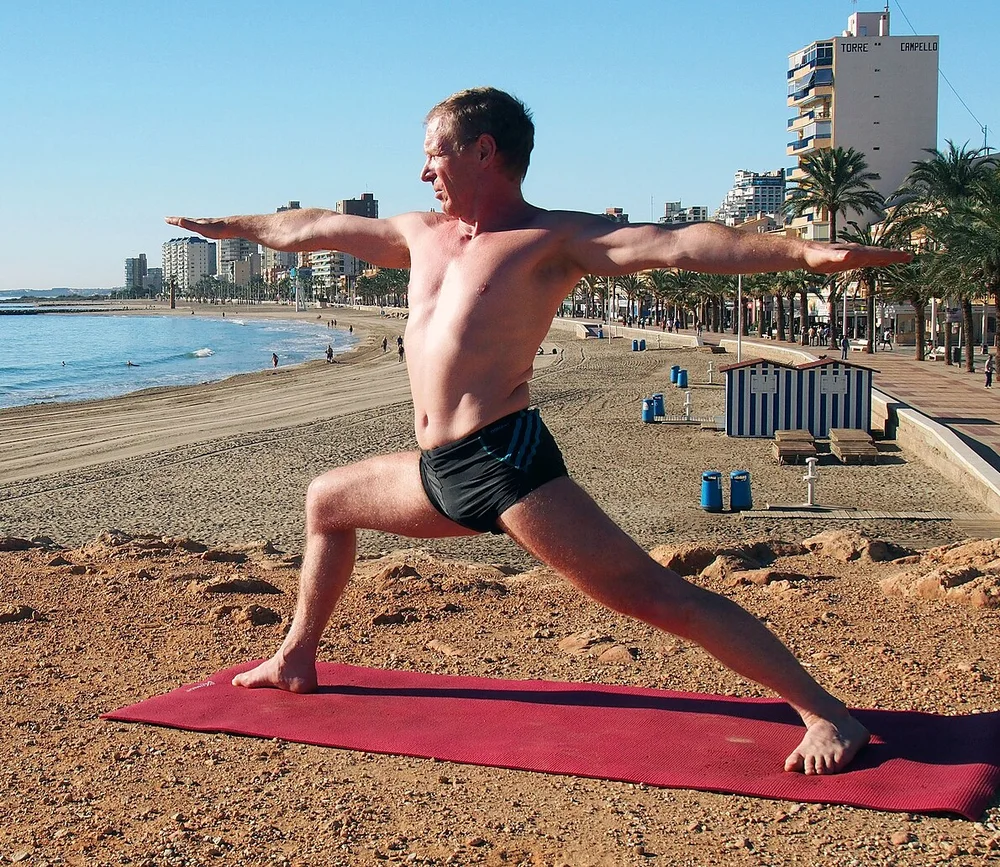
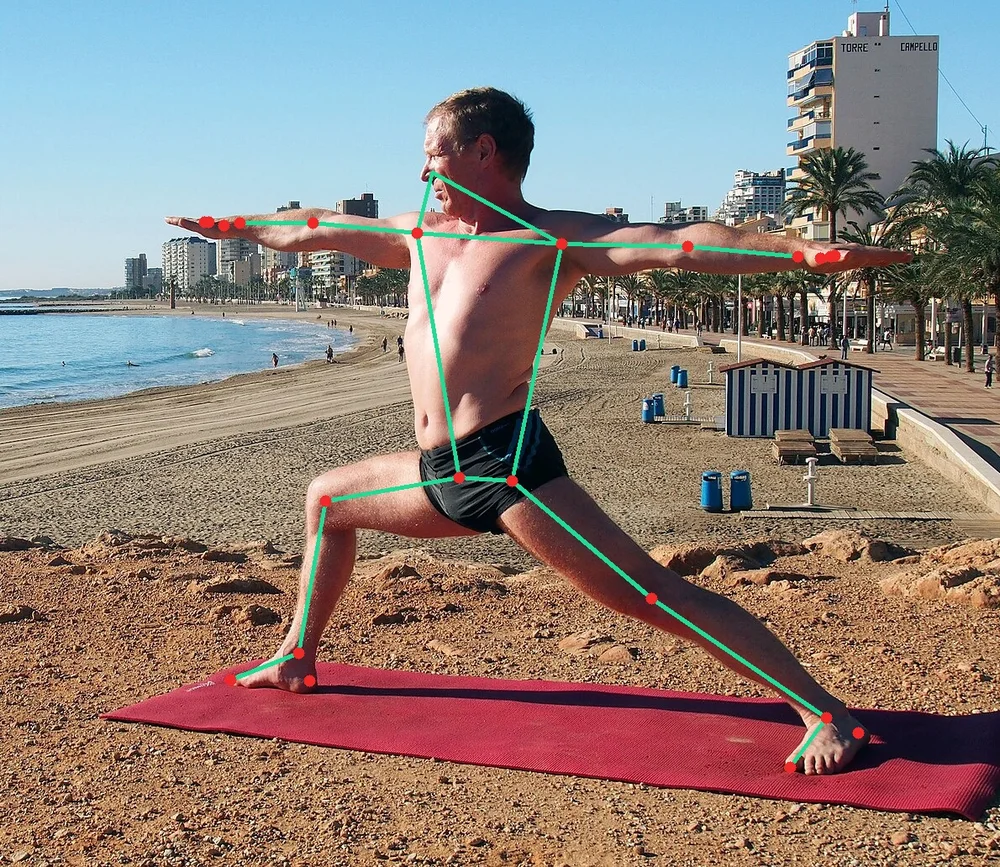
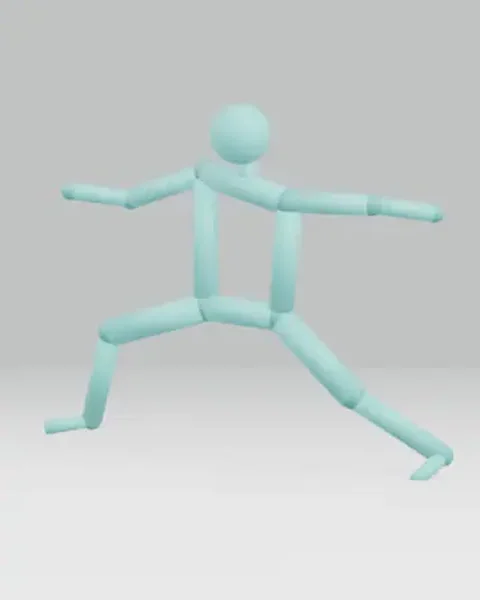
Guided prototype of a Yoga.org certification unit · yoga.org certification · Narration is synthesized; candidates may choose a voice or opt in to their own. The 3D figure is derived from a photograph of a real practitioner. Photographs: Warrior II by lululemon athletica, CC BY 2.0, and Rocket-yoga-06 by Lilian White, CC BY 4.0, both via Wikimedia Commons.