Yoga.org 3D Pose Pipeline Proof of concept — not production
Feasibility test

One photo in. Any camera angle out.

Testing whether we can turn ordinary footage of a real teacher into owned 3D pose assets — renderable from any angle, with an anatomy layer video can't show. Everything below was produced end-to-end on this machine with free, open-source tools. No commercial mocap service was used.

01The pipeline

Five stages. The only human input is one photograph.

Step 1
Source

One photo of a real teacher. CC-licensed here; our own footage in production.

Step 2
Detect

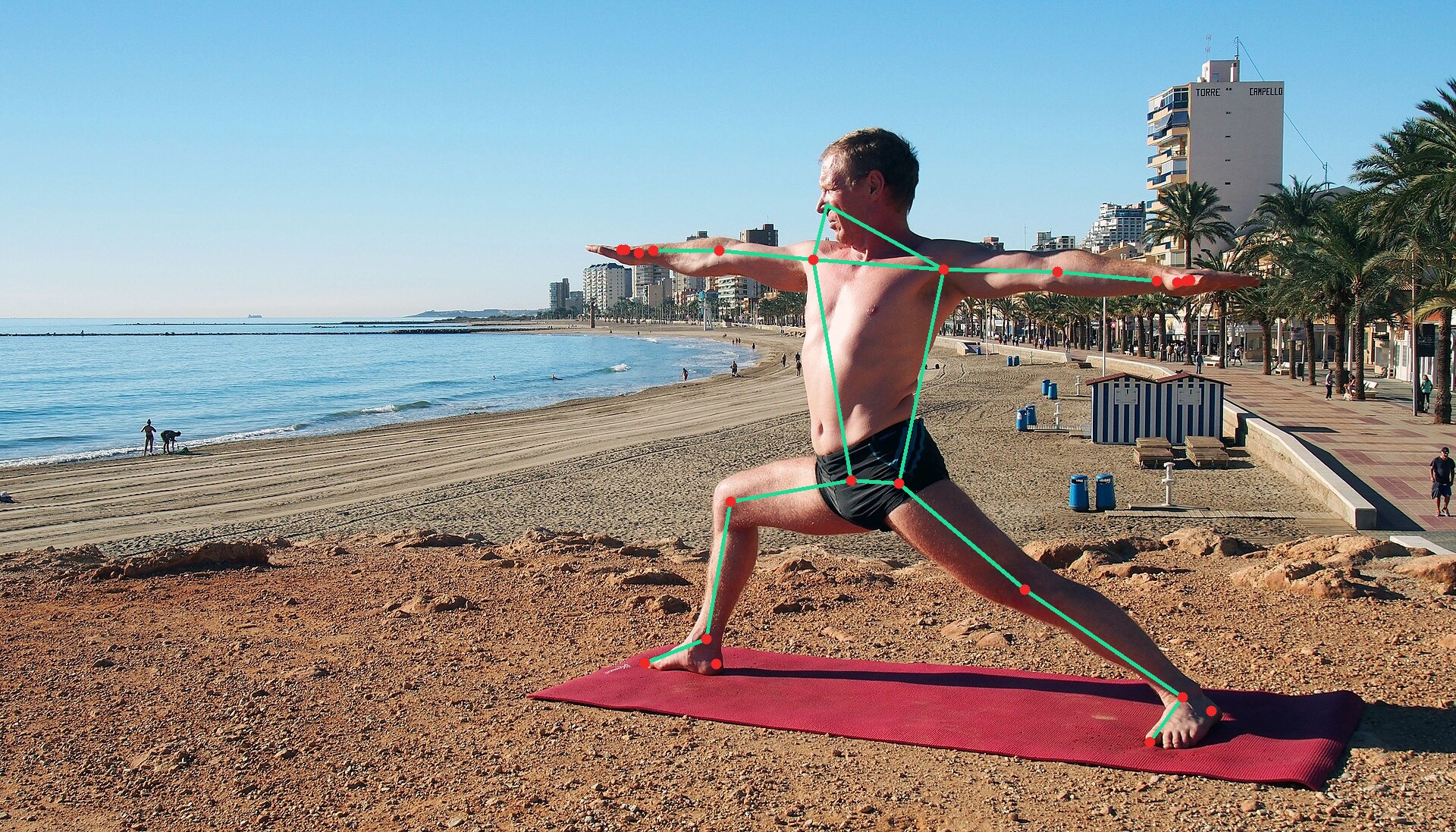
MediaPipe extracts 33 3D body landmarks from the single image.

Step 3
Retarget

Landmarks mapped onto a fixed-proportion skeleton — keep the angles, correct the limb lengths.

Step 4
Build

A 3D figure is generated in Blender from the corrected skeleton.

Step 5
Render

Any camera angle, plus an alignment/anatomy layer.

02The input

A single photograph of Warrior II, and the 33 landmarks detected from it. All 33 came back above the confidence threshold — the tracking is accurate against the real body.
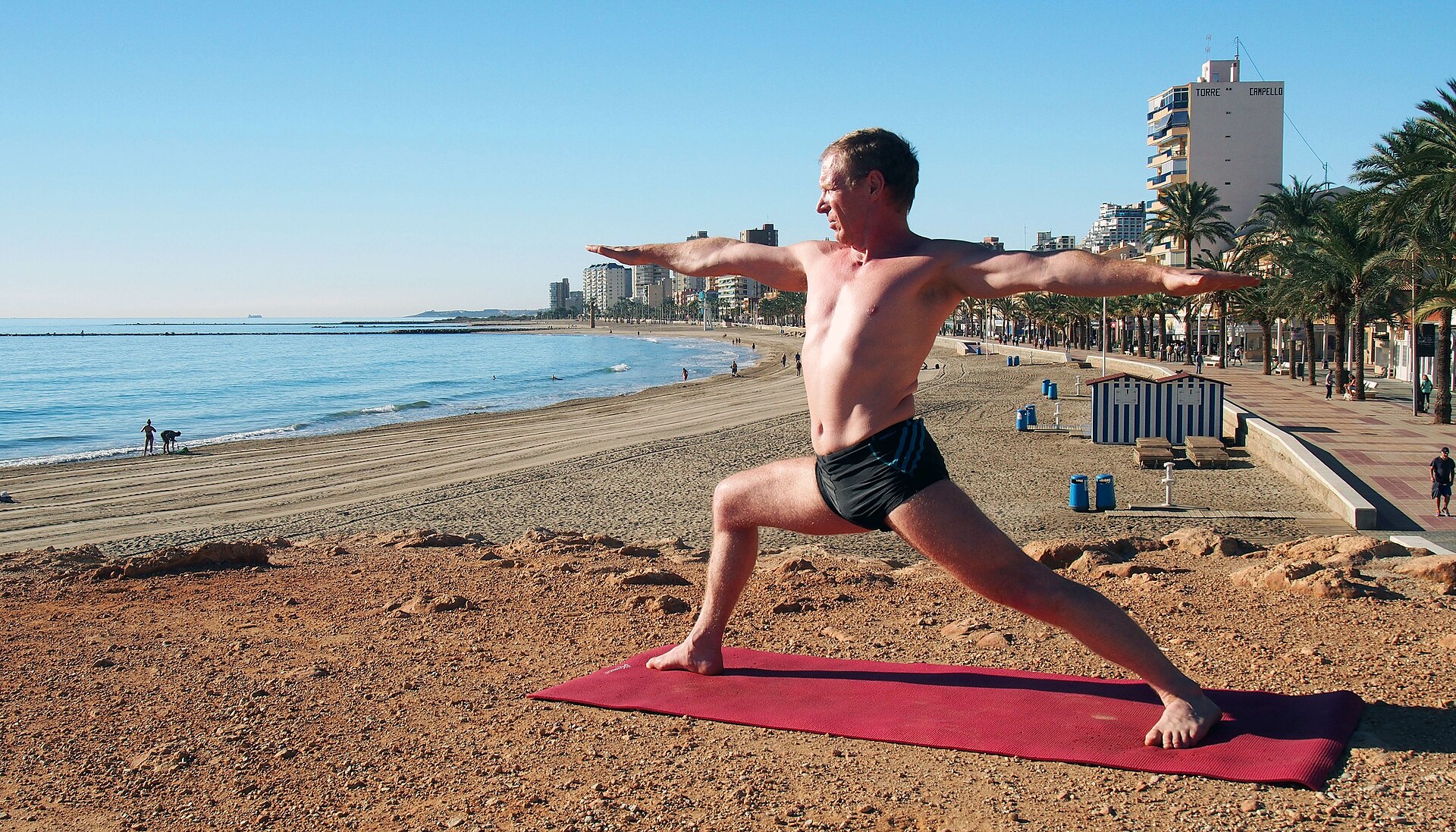
Source photograph of Warrior II
Source photographVirabhadrasana II · Lilian White · CC BY 4.0 via Wikimedia Commons
Detected pose landmarks overlaid on the photograph
Detected skeleton, overlaid33/33 landmarks above confidence threshold

03Four angles from that one photo

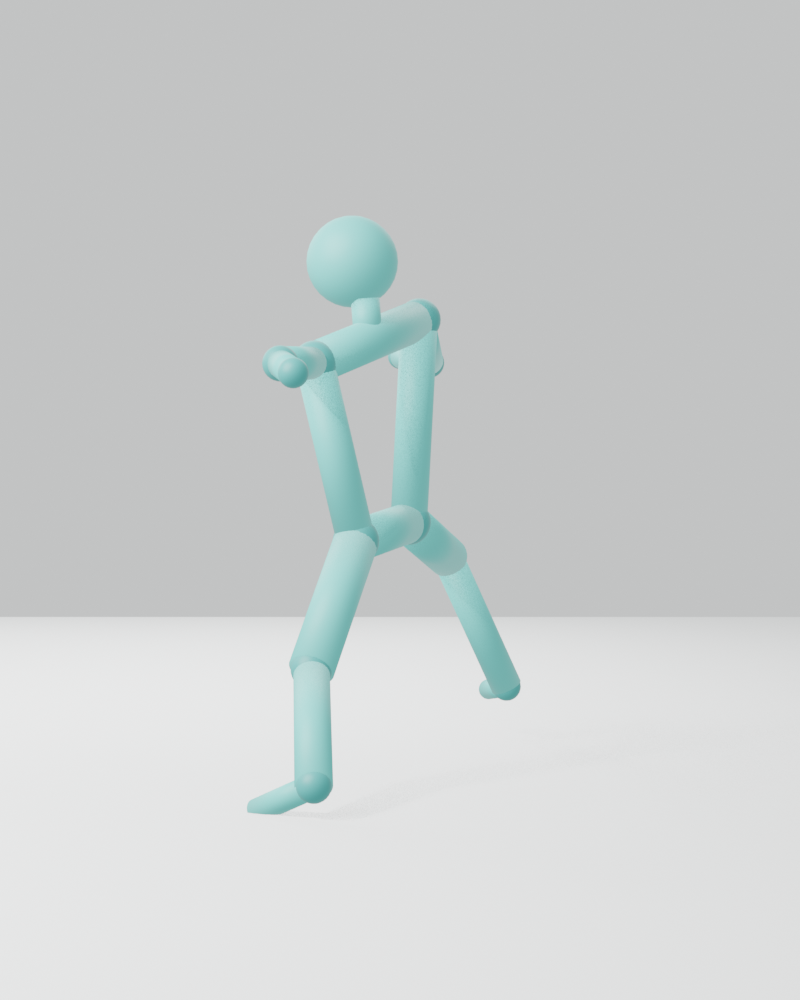
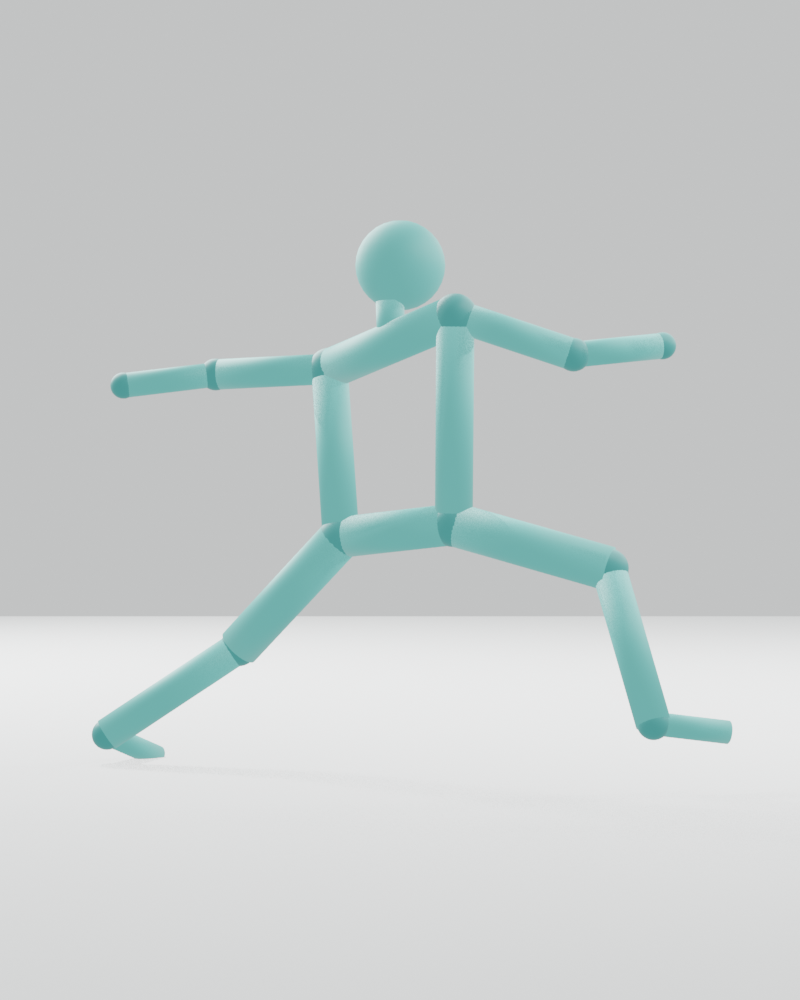
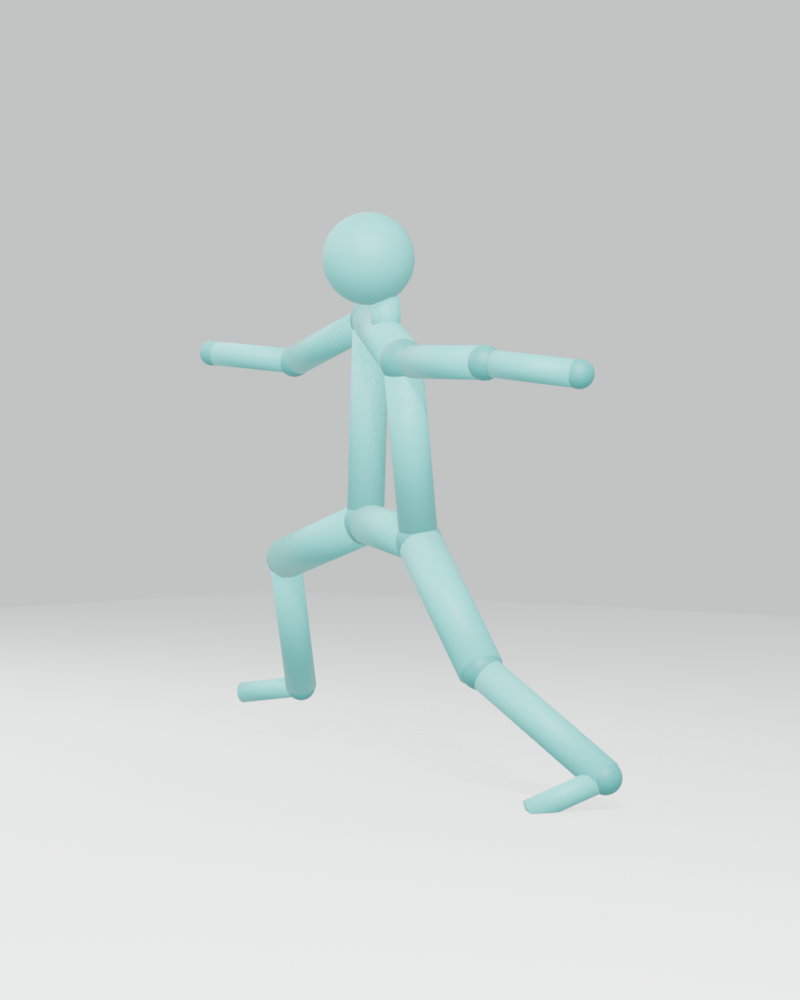
The photographer stood in one place. These four viewpoints did not exist in the source image — they are rendered from the reconstructed 3D pose. A student can walk around the pose; a video can never offer that.
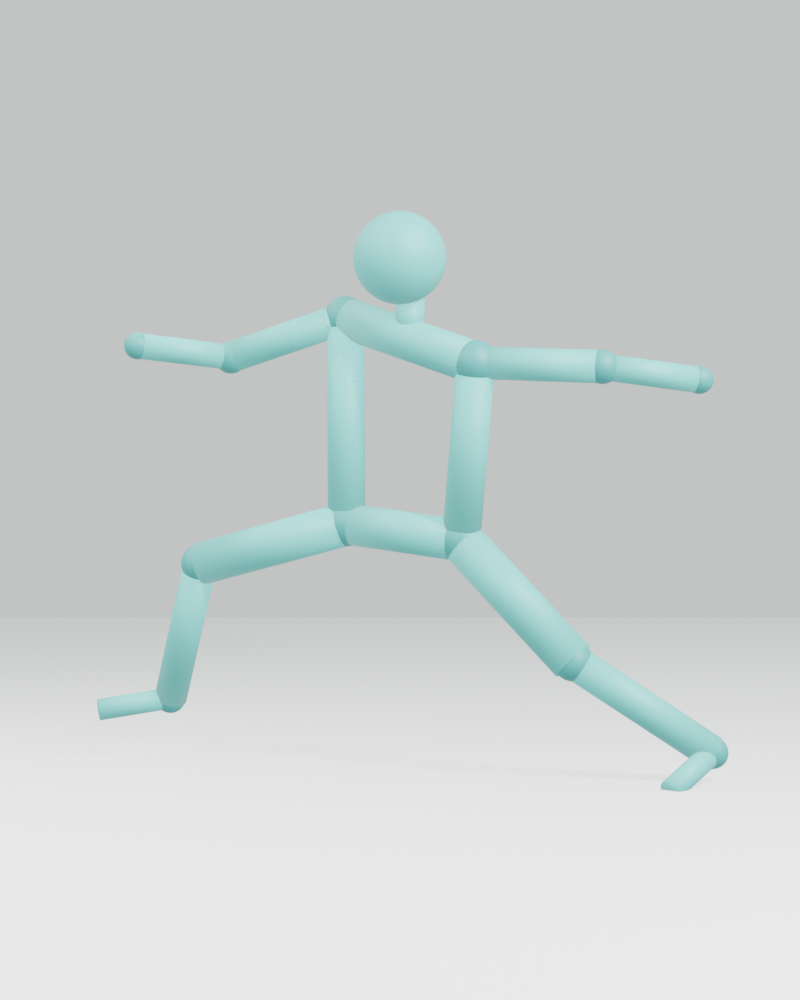
Front view
Front
Three-quarter view
Three-quarter
Side view
Side
Back view
Back

04The alignment layer

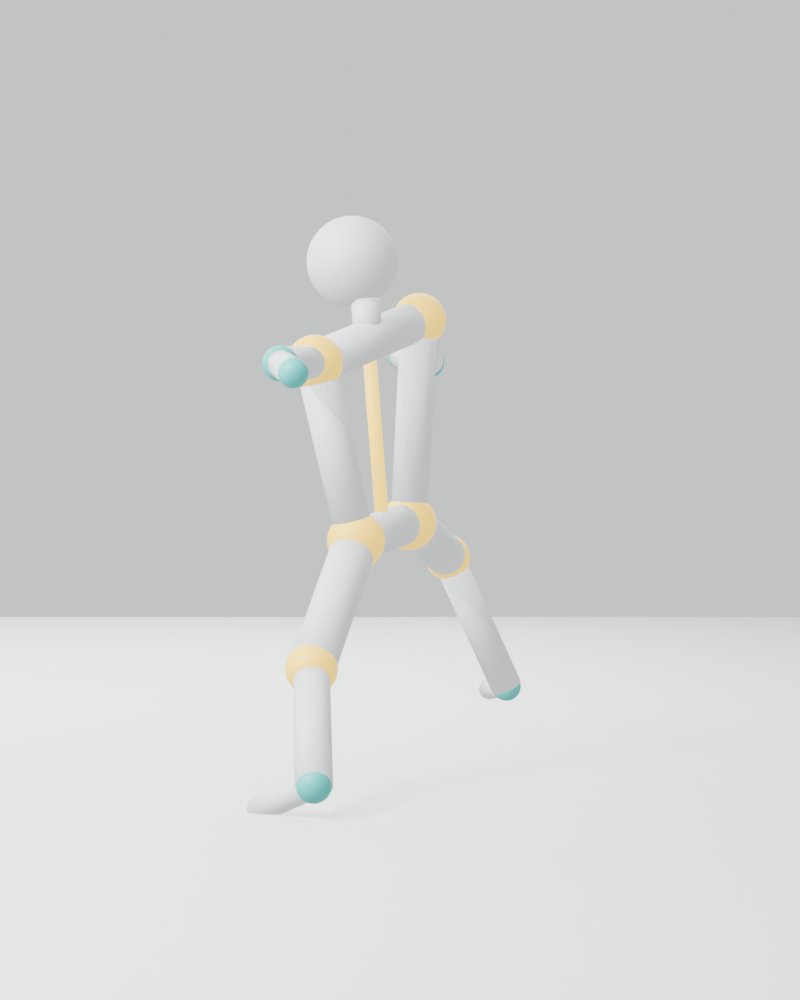
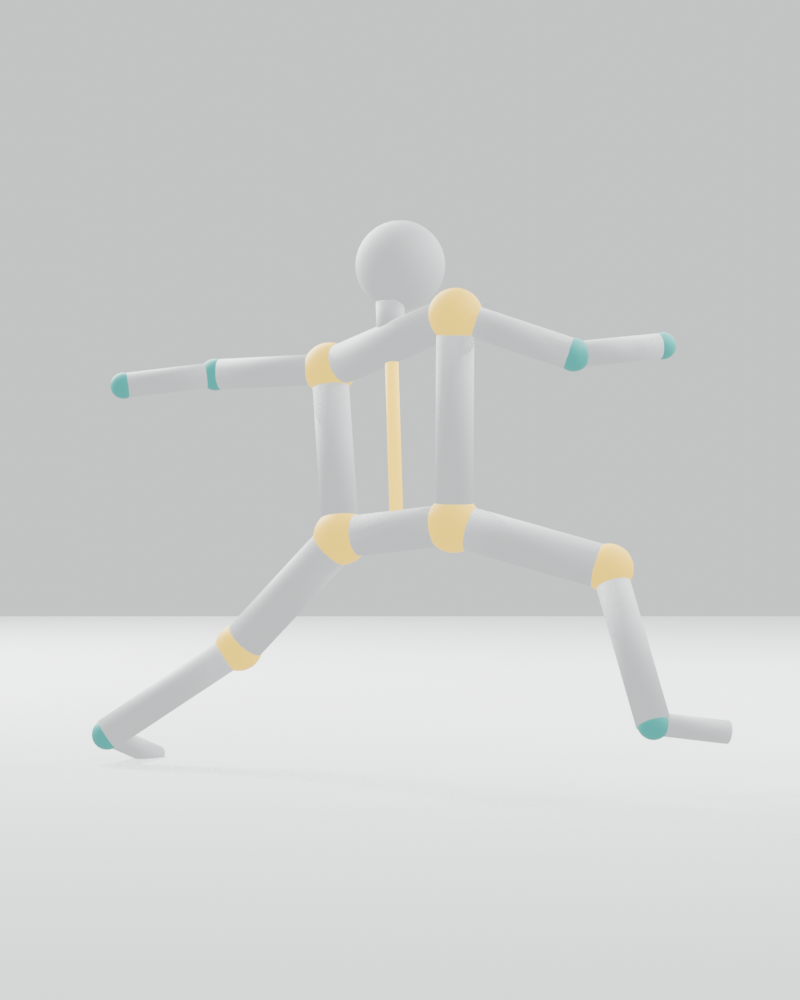
The same pose with the spine line drawn and the joints a teacher actually checks — knees, hips, shoulders — highlighted. This is the teaching advantage: showing why a pose works, not just what it looks like.
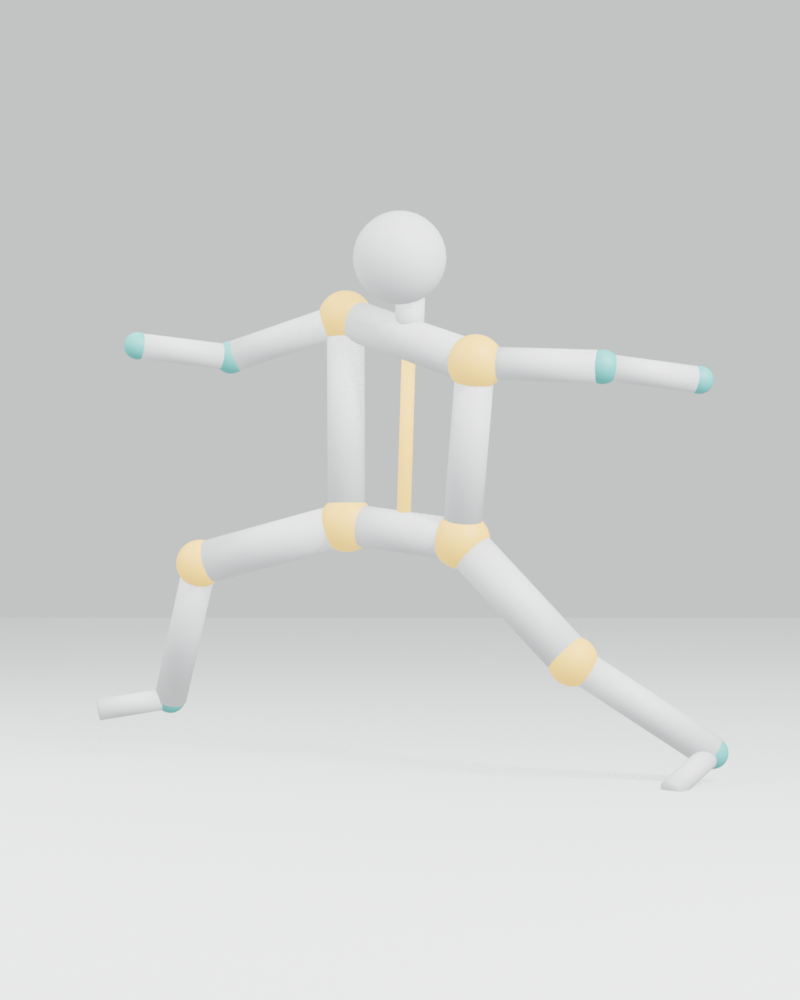
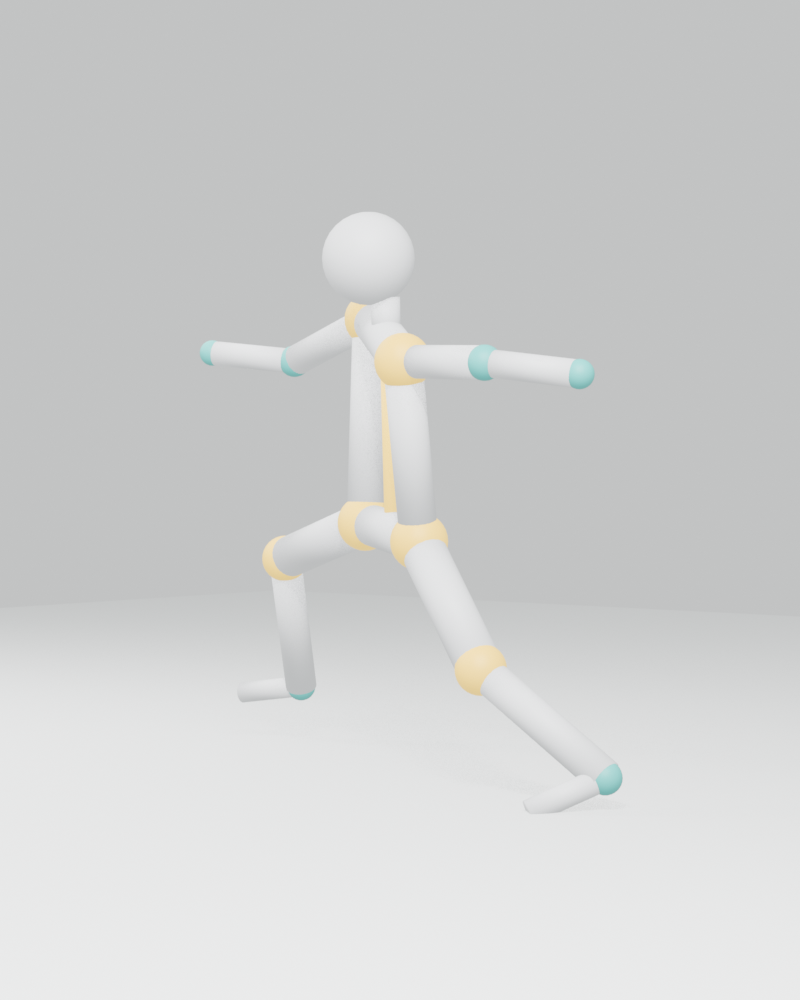
Anatomy layer, front
FrontSpine line + checkpoints
Anatomy layer, three-quarter
Three-quarter
Anatomy layer, side
Side
Anatomy layer, back
Back

05Honest read

What this proves

  • The pipeline works end-to-end, with free tools, on commodity hardware
  • Landmark detection on a clear standing pose is accurate
  • Novel camera angles are genuinely reconstructed, not faked
  • The anatomy layer is real and is the strongest teaching differentiator
  • Marginal cost per additional pose is close to zero once set up
  • Assets are owned outright and reusable across certification and all 187 pose pages

What it does not prove yet

  • The rear foot floats. There is no inverse-kinematics ground contact, so retargeted limbs don't reliably land on the floor
  • The figure is primitive geometry — a real rigged mesh with muscle layers is a separate step
  • Single-image depth is approximate; multi-frame video will be materially better
  • Floor poses and heavy occlusion will need manual cleanup, as expected
  • Every pose still requires faculty sign-off — 3D can be wrong as easily as AI imagery
Recommendation: the concept is validated — this is worth building. The remaining gaps (ground contact, a proper rigged mesh) are exactly what commercial retargeting tools solve for roughly $20–100/month, rather than problems requiring original research. Next step before committing: run the same test on video of a teacher rather than a still, and evaluate one paid tool against this free baseline.